A Fall Guide to Planting Hardneck Garlic – Zone 6a NW Chicago
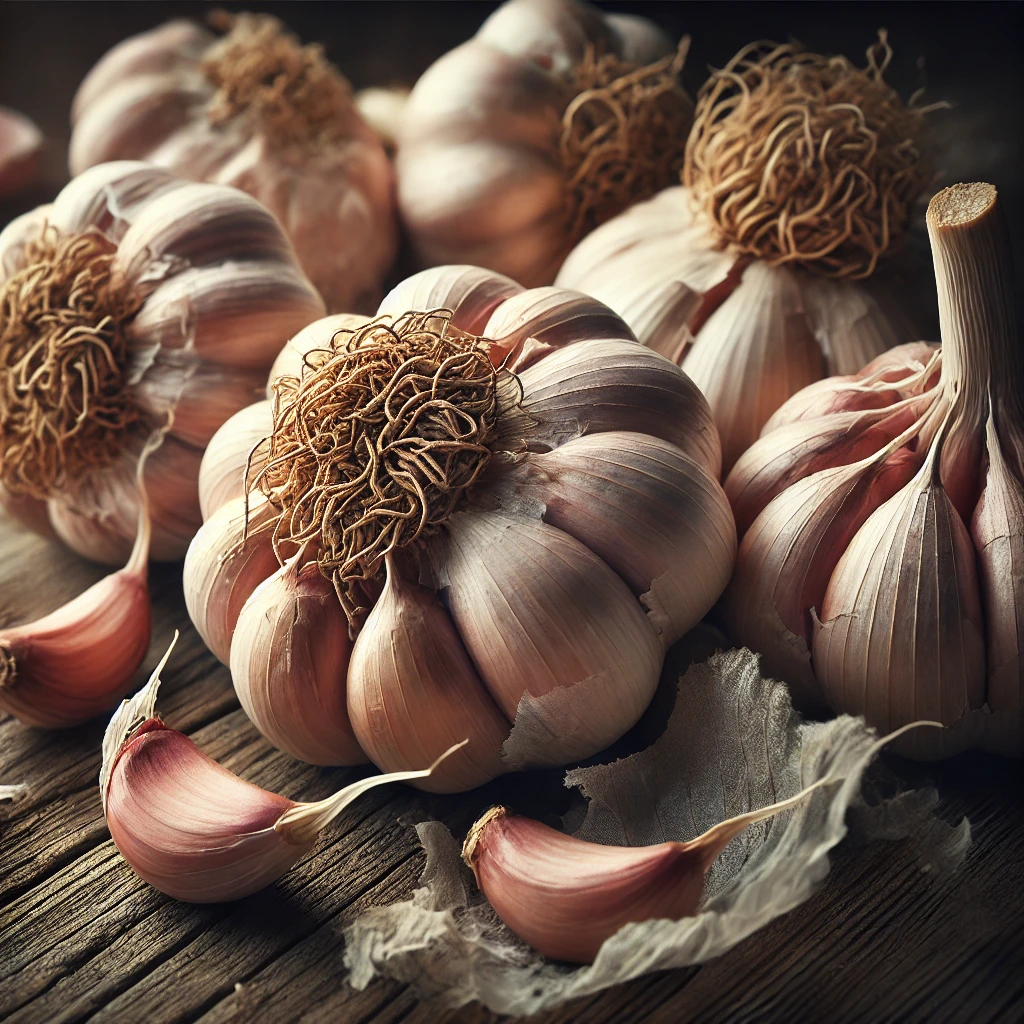
Planting garlic is a gratifying experience, especially if you’re located in a climate zone like Chicago, where winters can be harsh, and the timing of your planting is critical. Among the various types of garlic, hardneck garlic (Allium sativum ophioscorodon) stands out for its ability to thrive in cold climates, making it an ideal choice for Midwest gardeners. The key to a successful harvest, however, lies in the timing: planting your garlic in October ensures that it has enough time to establish roots before the ground freezes. In this article, we’ll explore why this timing is crucial, delve into the best hardneck garlic varieties for the Midwest, and provide a step-by-step guide to ensure a bountiful harvest.
Why October is the Perfect Time to Plant Hardneck Garlic
When it comes to growing garlic in Chicago, October is the optimal time to get your cloves in the ground. Garlic is a cool-season crop, and hardneck garlic varieties are particularly well-suited for cold climates like Chicago’s USDA Hardiness Zones 5b to 6a. Planting in mid-to-late October allows the garlic cloves to develop strong root systems before winter sets in but prevents the top growth, which could lead to winter damage. The goal is for your garlic to establish roots during the cool autumn months while staying dormant through winter, only to resume growth when spring arrives.
The first frost in Chicago typically occurs in late October or early November, but don’t let that scare you. Hardneck garlic varieties are hardy and can handle the cold. In fact, they require a period of vernalization, or exposure to cold temperatures, to perform well. This cold period helps trigger the development of larger bulbs. If you plant too late, the garlic may not establish sufficient roots before the soil freezes, stunting its growth in spring. On the other hand, if you plant too early, the cloves may sprout and expose tender shoots to damaging frosts. Timing your planting around mid-October strikes the right balance, ensuring a healthy, robust harvest.
The Benefits of Planting Before the First Frost
Planting before the first frost is crucial for several reasons. First, garlic needs time to develop its roots, and while garlic can tolerate cold weather, root growth requires temperatures above freezing. By planting in October, the garlic cloves can spend several weeks focusing on root development before the ground freezes solid. This root development is essential for supporting the plant’s growth come spring.
Second, hardneck garlic varieties need to be exposed to cold temperatures for proper bulb formation. This process, called vernalization, occurs naturally in the Midwest as winter temperatures drop. If you plant your garlic too late, it may not receive enough cold exposure, leading to smaller bulbs or incomplete formation. By planting in October, you ensure your garlic has enough time to establish roots and undergo the vernalization process without risking a weak or undersized harvest.
Preparing Your Soil for Garlic in the Chicago Area
Before planting your hardneck garlic, it’s essential to prepare your garden bed. Garlic thrives in loose, well-drained soil with plenty of organic matter. In Chicago, many gardeners deal with clay-heavy soils, which can become compacted and retain too much water, making it difficult for garlic to establish strong roots.
Here’s how to prepare your soil:
- Amend the soil with organic matter: Add compost or well-rotted manure to improve soil structure. Organic matter helps break up clay soil, improves drainage, and provides essential nutrients that garlic needs to grow.
- Ensure good drainage: Garlic does not tolerate soggy soil, as it can lead to rot. If your soil tends to be heavy or poorly drained, consider planting garlic in raised beds to ensure better drainage.
- Adjust the soil pH: Garlic prefers slightly acidic to neutral soil with a pH range of 6.0 to 7.0. Test your soil before planting and amend it with lime if necessary to raise the pH.
- Loosen the soil: Use a garden fork or tiller to loosen the soil to a depth of 6 to 8 inches. Garlic needs room to spread its roots, and compacted soil can hinder growth.
By investing time in soil preparation, you’ll create an ideal environment for your garlic to thrive throughout the fall and winter months.
Choosing the Best Hardneck Garlic Varieties for the Midwest
Not all garlic varieties are created equal, and selecting the right type of garlic for your region is essential for a successful harvest. Hardneck garlic is the best option for Chicago and other parts of the Midwest due to its winter hardiness and ability to produce scapes—a flowering stalk that not only adds flavor to your dishes but also serves as an indicator of when the garlic is ready to harvest.
Here are a few hardneck varieties that perform exceptionally well in the Midwest:
- ‘Music’: One of the most popular hardneck varieties, ‘Music’ is known for its large cloves and robust, spicy flavor. This garlic variety is easy to grow and is highly adaptable to cold climates like Chicago. It produces fewer but larger cloves, making it an excellent choice for home gardeners.
- ‘German Extra Hardy’: As its name suggests, ‘German Extra Hardy’ is one of the most resilient garlic varieties available. It produces large bulbs with a rich, full-bodied flavor and performs well even in the harshest winter conditions. This variety is ideal for Midwest gardeners who want a reliable, cold-hardy garlic with excellent storage potential.
- ‘Rocambole’: Rocambole garlic is prized for its deep, complex flavor, making it a favorite among chefs and garlic enthusiasts. While it doesn’t store as long as other hardneck varieties, it thrives in cold climates and produces beautiful, tightly wrapped bulbs.
- ‘Chesnok Red’: Originally from the Republic of Georgia, ‘Chesnok Red’ is known for its vibrant red-purple skins and sweet, mild flavor. It’s a versatile variety that grows well in the Midwest and is particularly suitable for roasting due to its smooth, mellow taste.
- ‘Spanish Roja’: Another favorite among Midwest growers, ‘Spanish Roja’ produces a rich, spicy flavor that intensifies when cooked. This variety is known for its large, easy-to-peel cloves and is perfect for both fresh use and long-term storage.
When choosing your garlic variety, consider not only the flavor profile but also the storage potential and hardiness. Hardneck varieties tend to store well for several months, allowing you to enjoy your harvest throughout the winter and into spring.
Planting Hardneck Garlic: A Step-by-Step Guide
Once you’ve prepared your soil and selected your garlic varieties, it’s time to plant. Here’s a step-by-step guide to ensure success:
- Separate the cloves: Just before planting, break the garlic bulb into individual cloves. Each clove will grow into a new garlic plant. Be careful not to damage the cloves, and select only the largest, healthiest ones for planting. Smaller cloves can be used in the kitchen or planted in a separate area for a smaller yield.
- Plant the cloves pointy side up: Garlic cloves should be planted with the pointy side up and the flat, root side down. Plant each clove about 2 inches deep, ensuring that the tip is covered by soil but not too deep that it struggles to emerge in spring.
- Space the cloves properly: Garlic needs room to grow, so space each clove about 6 inches apart in rows that are 12 inches apart. This spacing allows for adequate air circulation and root expansion, leading to larger bulbs.
- Mulch the bed: Once your garlic is planted, cover the bed with a thick layer of organic mulch, such as straw, leaves, or shredded bark. Mulching helps regulate soil temperature, retains moisture, and suppresses weeds. In Chicago’s climate, mulch also acts as an insulator, protecting the garlic from extreme winter temperatures.
- Water well after planting: Give your garlic a good watering after planting to help settle the soil around the cloves and promote root establishment. However, avoid overwatering, as garlic prefers slightly dry conditions.
Caring for Garlic Through Winter and Spring
Once planted, garlic requires minimal care over the winter months. The mulch will protect the cloves from temperature fluctuations, and the garlic will remain dormant until the soil warms in spring. Here’s how to care for your garlic as it grows:
- Monitor soil moisture: Garlic doesn’t need much water during winter, but it’s important to keep an eye on soil moisture levels. If you experience an unusually dry winter or spring, provide occasional watering to prevent the soil from becoming too dry.
- Remove mulch in spring: As the weather warms in spring and the garlic begins to sprout, gradually remove the mulch to allow more sunlight to reach the soil. This will help the garlic grow faster and stronger.
- Watch for scapes: In early summer, hardneck garlic will produce scapes—curly, flowering stems that should be removed to encourage larger bulb growth. You can harvest the scapes and use them in cooking; they have a mild garlic flavor and are delicious in pesto, stir-fries, and salads.
Harvesting and Storing Your Hardneck Garlic
Garlic is typically ready for harvest in mid July, depending on the variety and growing conditions. The key to knowing when to harvest is watching the leaves: when the lower leaves turn brown while the upper leaves remain green, your garlic is ready. Gently dig up the bulbs with a garden fork, being careful not to damage them.
After harvesting, let your garlic cure in a warm, dry place for about two to four weeks. Once cured, trim the roots and tops, and store your garlic in a cool, dry, and well-ventilated area. Properly cured and stored garlic can last several months, allowing you to enjoy the fruits of your labor well into winter.
Conclusion: Timing is Everything
In Chicago, the timing of your garlic planting is crucial. By planting hardneck garlic in October, you give your cloves enough time to establish roots before winter while ensuring they receive the cold exposure they need for proper bulb formation. With the right preparation and care, you’ll be rewarded with a bountiful harvest of flavorful, homegrown garlic next summer. So, as the crisp autumn air settles in, make sure you get those cloves in the ground—before the first frost comes knocking.
193 Comments on “A Fall Guide to Planting Hardneck Garlic – Zone 6a NW Chicago”
Leave a Reply
You must be logged in to post a comment.
Pingback: MyBlog
Pingback: how to buy enclomiphene uk online
Pingback: kamagra pas cher du jour au lendemain
Pingback: buy androxal purchase online from india
Pingback: canada dutasteride
Pingback: ordering flexeril cyclobenzaprine generic work
Pingback: how many orgasms can u get on 1 fildena pill
Pingback: buy gabapentin generic cheapest
Pingback: is itraconazole over the counter in Germany
Pingback: ordering staxyn buy mastercard
Pingback: purchase avodart generic real
Pingback: get rifaximin cheap in uk
Pingback: discount xifaxan generic online mastercard
Pingback: kanadské drogerie online kamagra
Pingback: hello world
Pingback: kamagra jelly price
Pingback: tadalafil headache reddit
Pingback: how does sildenafil
Pingback: tadalafil sore back
Pingback: sildenafil 200mg dose
Pingback: tadalafil dosage instructions
Pingback: vidalista tadalafil 20mg
Pingback: cialis pill dose
Pingback: orlistat alli
Pingback: tadalafil 5 milligrams
Pingback: cialis vision reddit
Pingback: vidalista 60mg tadalafil tablets
Pingback: tadalafil typical doses
Pingback: cenforce uk reviews
Pingback: tadalafil premature reddit
Pingback: cenforce tablet 200 mg
Pingback: vidalista black 80mg
Pingback: vidalista 100 mg
Pingback: viagra us pharmacy
Pingback: sildenafil cenforce 150mg
Pingback: sildenafil viagra
Pingback: orlistat nhs guidance
Pingback: prilosec trade name
Pingback: creon cost canada
Pingback: zantac settlement program
Pingback: levitra online australia
Pingback: imodium advanced ingredients
Pingback: avanafil generic stendra
Pingback: vidalista 80mg price
Pingback: substitute for tadalafil
Pingback: revatio sildenafil
Pingback: mesalamine and urine
Pingback: udenafil 100 mg
Pingback: dapoxetine action time
Pingback: priligy tablets boots
Pingback: dutasteride pdr
Pingback: topical finasteride pregnant
Pingback: sémaglutide injection prix mahwah
Pingback: semaglutide vs tirzepatide side effects
Pingback: fincar tablet uses in hindi
Pingback: semaglutide vergoedingscriteria
Pingback: semaglutid naturligt
Pingback: finpecia 1mg side effects in hindi
Pingback: wegovy semaglutida para que serve
Pingback: oral semaglutid pris
Pingback: semaglutid tabletten nebenwirkungen
Pingback: köpa semaglutid tabletter
Pingback: xenical orlistat uses
Pingback: propecia generico prezzo
Pingback: viagra sweatshirt
Pingback: generic cialis cheapest
Pingback: vardenafil vs viagra
Pingback: rogaine and menopause
Pingback: ozempic teeth grinding
Pingback: proscar medication for hair loss
Pingback: doxycycline for kennel cough
Pingback: doxycycline in dogs uses
Pingback: does doxycycline and alcohol mix
Pingback: doxycycline 100 mg brand name
Pingback: doxycycline hyclate on empty stomach
Pingback: metronidazole tablet used for what
Pingback: metronidazole for cats drooling
Pingback: metronidazole effectiveness with alcohol
Pingback: sildenafil viagra near me
Pingback: cialis daily dosage
Pingback: minoxidil hair growth
Pingback: acyclovir brand philippines
Pingback: bupropion hcl side effects sexually
Pingback: orlistat action
Pingback: how often to use liraglutide
Pingback: what is ketoconazole
Pingback: terbinafine medical reference
Pingback: what is ketoconazole cream
Pingback: terbinafine dosage for tinea
Pingback: ketoconazole shampoo introduction
Pingback: terbinafine antifungal activity
Pingback: toradol drug overview
Pingback: ketoconazole antifungal explanation
Pingback: terbinafine side effects clinical info
Pingback: acular ketorolac ophthalmic
Pingback: ketoconazole for tinea infections
Pingback: ketorolac tromethamine elimination
Pingback: terbinafine nail fungus dosage info
Pingback: toradol migraine information
Pingback: toradol for trauma pain
Pingback: toradol injection duration
Pingback: toradol duration limits
Pingback: ivermectin medical reference
Pingback: ivermectin interactions FAQ
Pingback: ivermectin demodex dermatologic therapy
Pingback: ivermectin rosacea scientific mechanism
Pingback: ivermectin scabies clinical data
Pingback: ivermectin strongyloides medical evidence
Pingback: ivermectin safety profile data
Pingback: ivermectin MOA
Pingback: ivermectin absorption distribution metabolism excretion
Pingback: minoxidil key information
Pingback: minoxidil 2% vs 5% pk comparison
Pingback: minoxidil clinical performance
Pingback: minoxidil question library
Pingback: minoxidil foam vs liquid absorption
Pingback: minoxidil moa
Pingback: minoxidil men’s shedding overview
Pingback: minoxidil onset performance
Pingback: minoxidil pk structured guide
Pingback: minoxidil women’s foam vs liquid
Pingback: sildenafil risk groups
Pingback: sildenafil dietary interactions
Pingback: sildenafil endothelial effects
Pingback: PDE5 inhibitor counterfeit risks
Pingback: sildenafil seasonal price changes
Pingback: vardenafil 10 mg tablet insights
Pingback: avanafil absolute contraindications
Pingback: vardenafil 20 mg tablet details
Pingback: avanafil food interaction documentation
Pingback: vardenafil 5 mg summary
Pingback: avanafil mechanism pathway overview
Pingback: Peyronie’s disease contraindication
Pingback: avanafil safe online usage
Pingback: vardenafil food interaction insights
Pingback: avanafil pricing variables
Pingback: how vardenafil works
Pingback: avanafil tolerability overview
Pingback: vardenafil onset profile
Pingback: vardenafil adverse effects
Pingback: vardenafil vs sildenafil PK
Pingback: vardenafil caution considerations
Pingback: orlistat risk factors
Pingback: orlistat fat intake interaction
Pingback: insurance coverage
Pingback: orlistat mechanism process
Pingback: medical review structure
Pingback: online safety safe behavior
Pingback: orlistat side effect insights
Pingback: what is amoxicillin
Pingback: augmentin amoxicillin clavulanate
Pingback: augmentin vs amoxicillin antibiotic facts
Pingback: bronchitis symptom list
Pingback: amoxicillin interaction side effects
Pingback: otitis media bacterial infection
Pingback: penicillin allergy rash
Pingback: pneumonia diagnosis
Pingback: amoxicillin yeast infection risk
Pingback: sinusitis congestion symptoms
Pingback: Sildenafil Onset Information
Pingback: Fed-State Bioavailability
Pingback: Alcohol Impact on PK Curve
Pingback: PKDuration Educational Resource
Pingback: Tmax Learning Resource
Pingback: Duration Variability Library
Pingback: Sildenafil Absorption Concepts
Pingback: Slow Absorption Factors
Pingback: Duration Variability Guide
Pingback: PK/PD Timing Reference
Pingback: sildenafil versus tadalafil
Pingback: Sildenafil vs vardenafil PK comparison
Pingback: Sildenafil vs Avanafil Detailed Review
Pingback: Viagra vs sildenafil onset
Pingback: Sildenafil vs Cialis Onset Full Comparison
Pingback: Sildenafil vs Cialis Duration Study
Pingback: Cmax Comparison: Sildenafil vs Levitra
Pingback: Sildenafil vs Avanafil Onset Insights
Pingback: Brand vs Generic Variability Overview
Pingback: SildenafilCentral.com medication resource
Pingback: how sildenafil works
Pingback: overview of sildenafil pharmacokinetics
Pingback: why sildenafil is prescribed
Pingback: sildenafil compared with tadalafil
Pingback: what sildenafil is
Pingback: tadalafil educational resource
Pingback: tadalafil regulatory bioequivalence
Pingback: learn about tadalafil brand names
Pingback: tadalafil drug interactions
Pingback: this tadalafil and ED overview
Pingback: Indian tadalafil brand overview
Pingback: tadalafil half-life and pharmacokinetics
Pingback: tadalafil vs sildenafil
Pingback: SemaGLP guide to legitimate pharmacy access